
Small greens. Big nutrition.
Fresh by design.
Microgreens are young greens harvested at the ideal stage — tender, flavorful, and naturally nutrient-dense. This page explains everything in a clean, simple way.
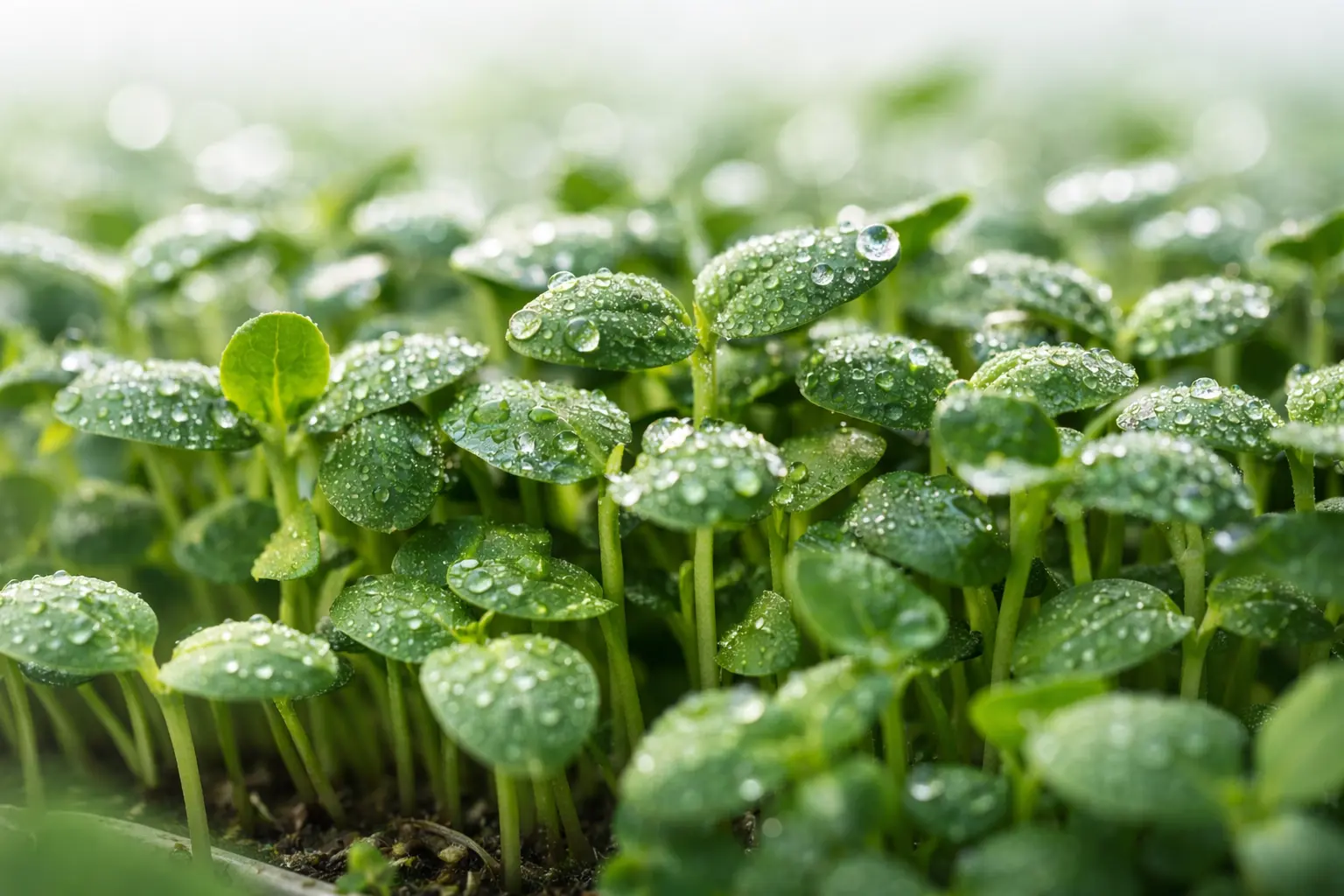
What exactly are microgreens?
Microgreens are young vegetable greens harvested soon after germination, usually when the first true leaves open. They’re not sprouts (earlier stage) and not mature greens (later stage). They sit in the sweet spot: better texture + strong flavor + high nutrition.
Microgreens (best daily add-on)
Harvested after first leaves. Crisp, clean taste. Easy to add to Indian meals.
Sprouts (different category)
Eaten earlier, often grown in water. Softer texture and hygiene-sensitive process.
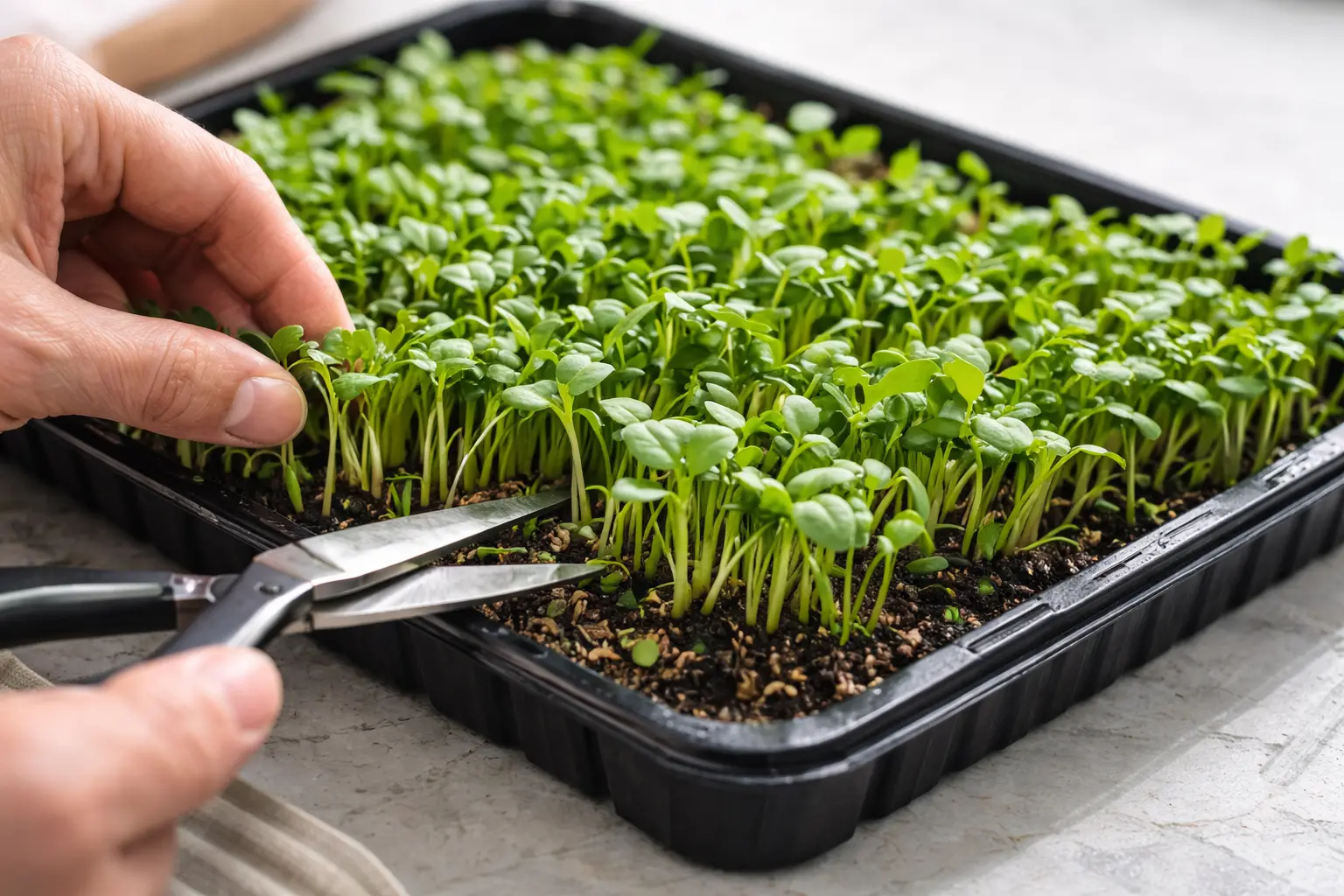
Why microgreens matter
The real advantage is not “complex health claims”. It’s this: microgreens make it easy to upgrade everyday food with real greens — consistently.
Daily nutrition upgrade
Add a handful and your meal becomes more nutrient-dense — without changing your routine.
Flavor without heaviness
Fresh crunch and taste, without extra oil/sugar. Works well with Indian food.
Family-friendly
Suitable for kids, adults, and elders when introduced gradually and used fresh.
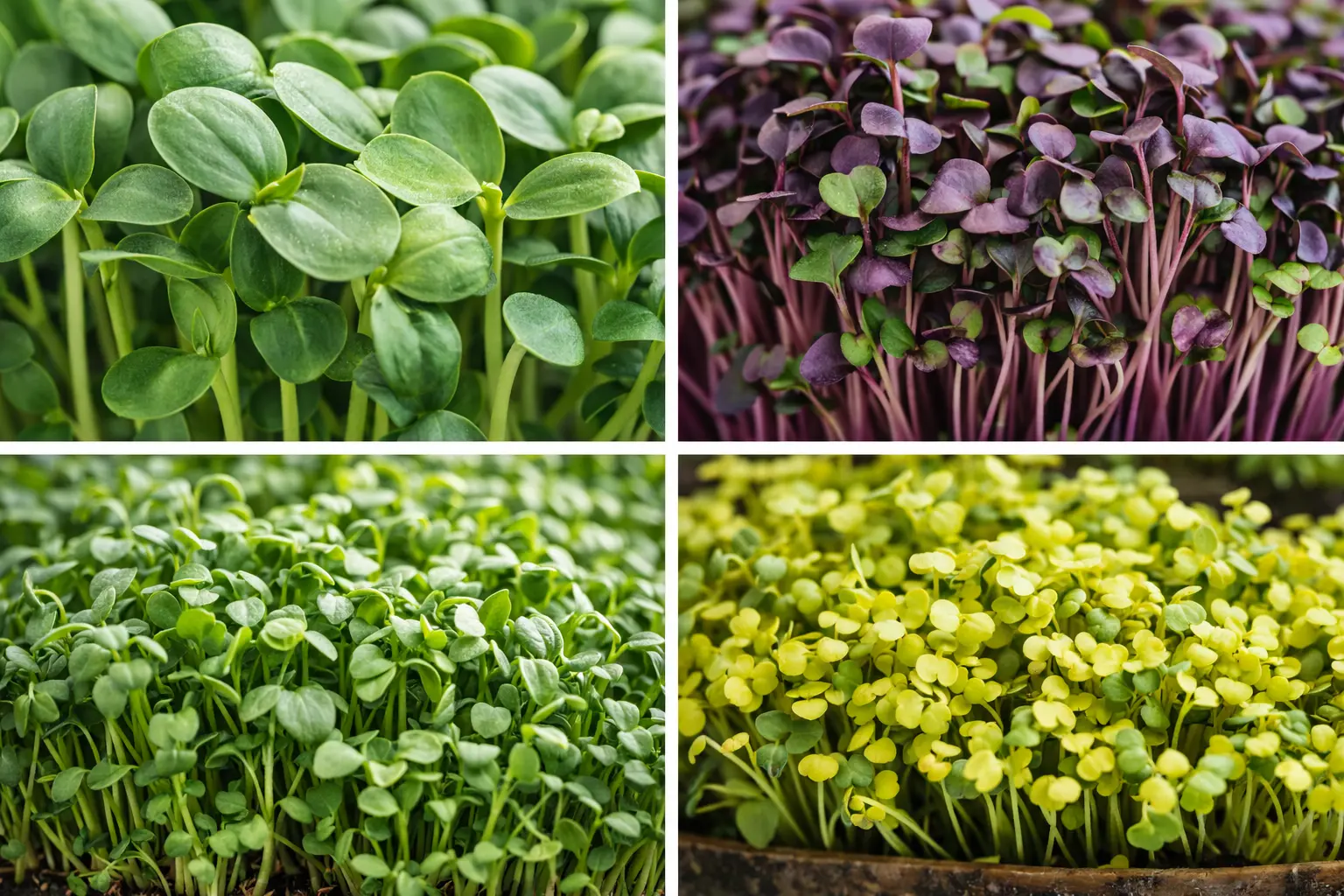
Freshness = taste + nutrition
Many vegetables travel and sit in storage. Microgreens are designed to be eaten fresh. That short time between harvest and eating is a big part of why they feel “alive” in food.
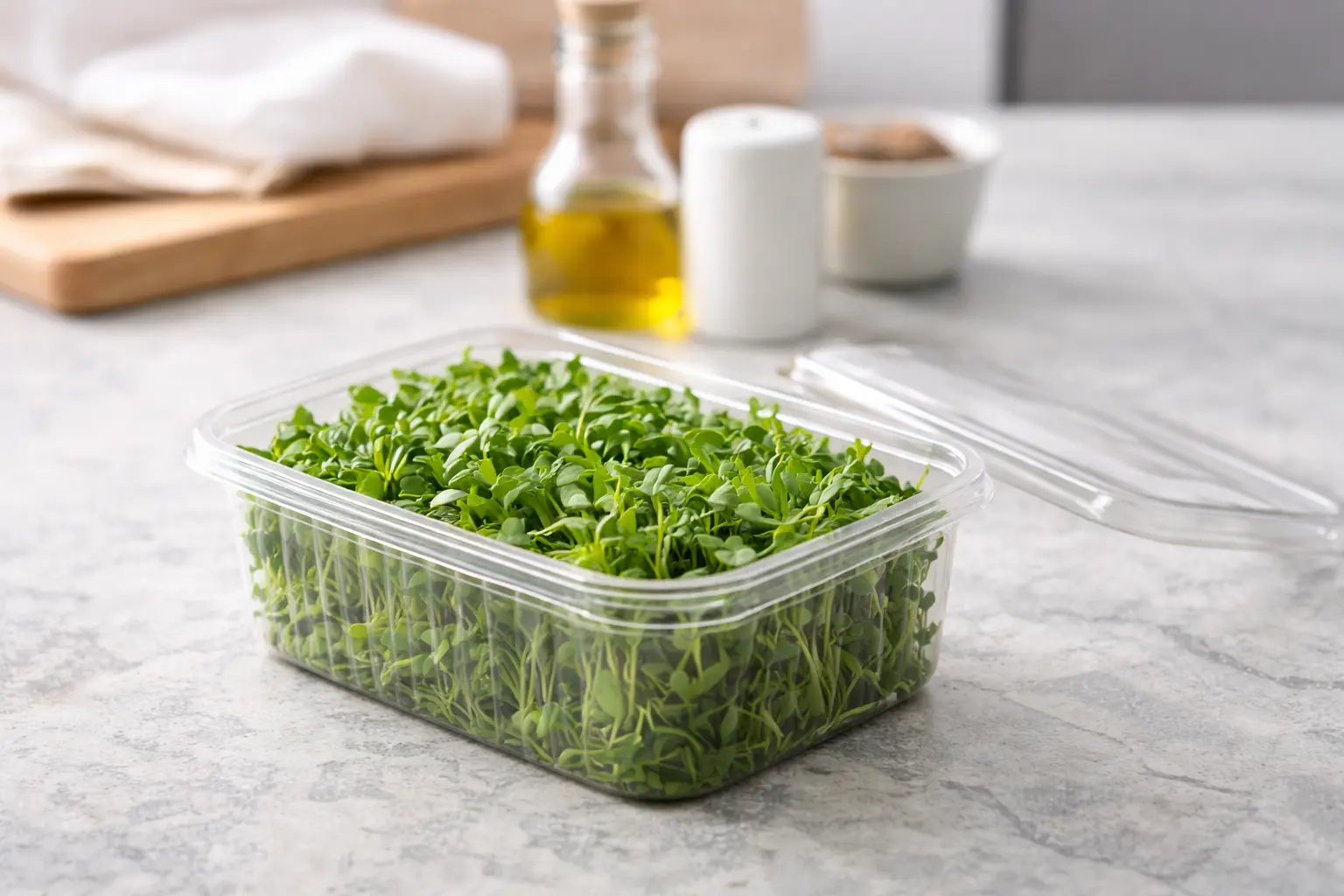
Simple ways to use daily
Keep it effortless:
- Top on dal / rice / khichdi
- Add to sandwiches & wraps
- Mix into curd / raita
- Finish meals as garnish
Nutrition — what you get
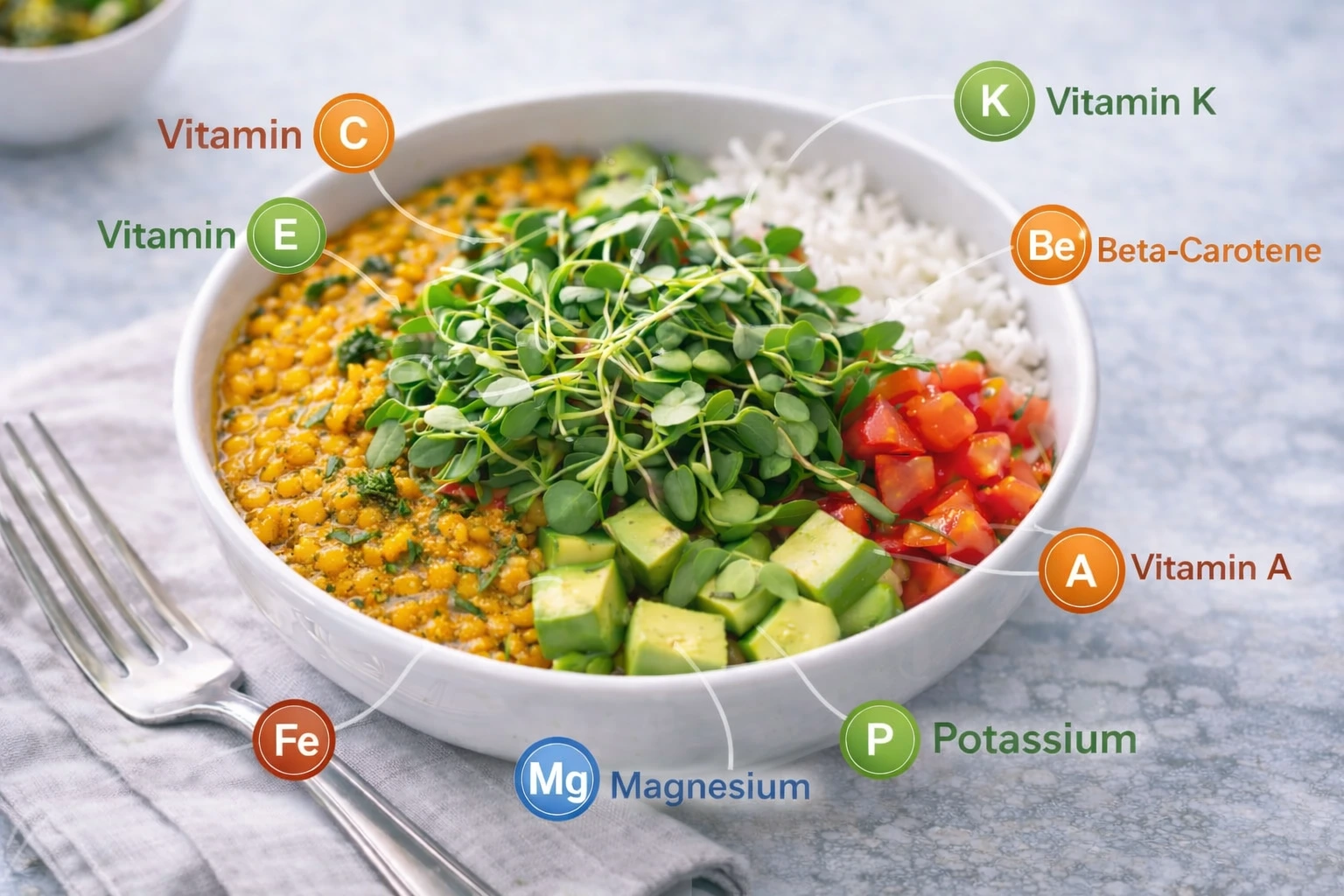
Microgreens can provide vitamins, minerals, and plant compounds. Exact amounts vary by microgreen type and growing conditions — but the goal is consistent daily intake of real greens.
Vitamins (example)
Vitamin C, K, E, beta-carotene (varies by microgreen type).
Minerals (example)
Iron, magnesium, potassium (varies) — supports daily functioning.
Fiber + meal balance
Helps balance carb-heavy meals by adding greens with texture and fiber.
Plant compounds
Many microgreens contain antioxidants and phytochemicals (varies by type).
Research & credible reading
If you want science-backed info, start here — these are reputable sources and full papers.
FAQ
Clear answers — no confusion.
Are microgreens the same as sprouts?
No. Sprouts are eaten earlier (often grown in water). Microgreens are grown longer and harvested after the first leaves open, giving better texture and taste.
How much should I eat?
Start with a handful and make it consistent. The best amount depends on your diet and tolerance. Consistency beats occasional large portions.
Do microgreens replace vegetables?
No. Use microgreens as a daily nutrition booster, and keep vegetables too. It’s an easy “upgrade”, not a replacement.
How do I store them?
Keep refrigerated, dry, and sealed. Avoid adding water into the box. Use fresh for best taste and texture.